
Why School Districts Must Be Part of Data Center Conversations in Texas
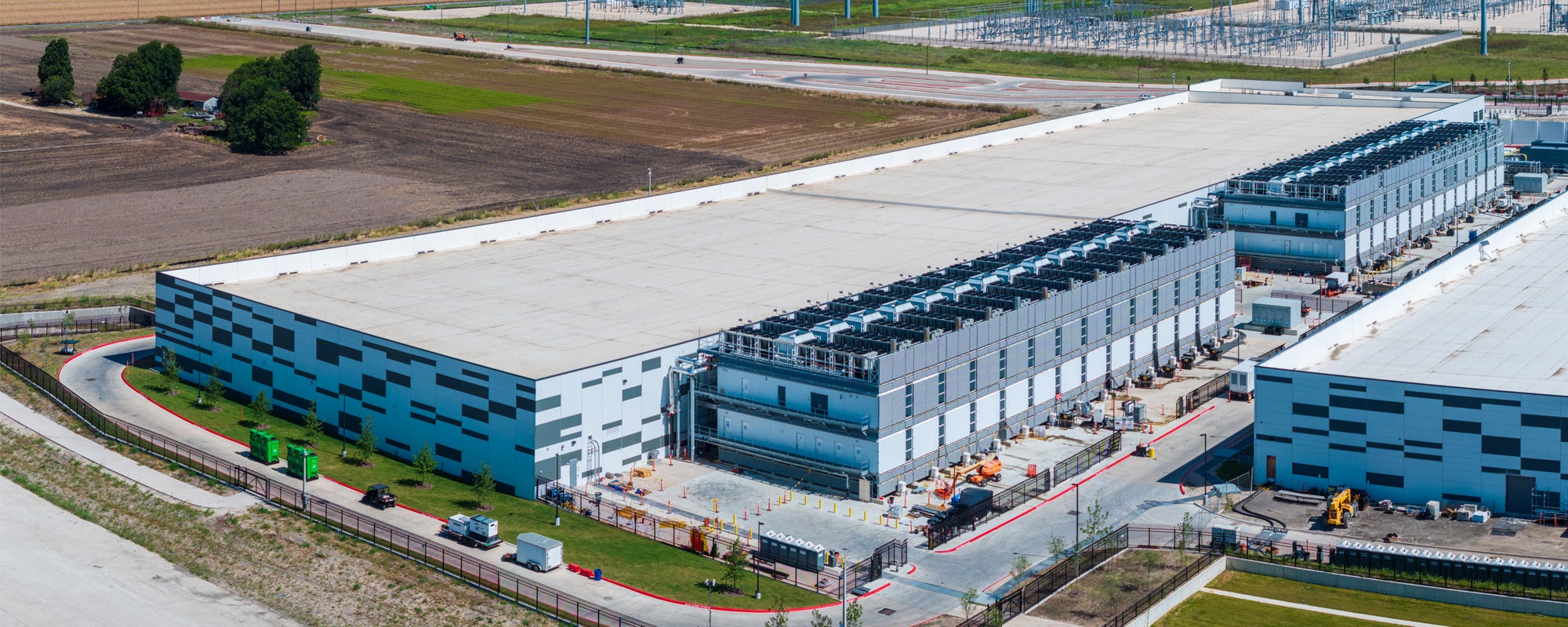
Texas is a leading destination for data center development, with growing attention to how that growth is managed. Communities are weighing what it means for jobs, tax base, and the infrastructure and services — including schools — that absorb the impact.
Estimates vary, but recent analyses show Texas already has 335 data centers operating or in development, with at least 248 additional projects planned statewide. In a July 2026 legislative hearing, state revenue estimators told the Senate Finance Committee that data center growth had far exceeded their earlier projections.
For school districts, the question is not whether Texas should welcome innovation and economic development. The question is whether the local leaders responsible for educating students will be included before choices are made that could affect district budgets, campuses, and communities for years to come.
That matters because data centers do not exist apart from the communities around them. They sit in school district boundaries, draw on the same utilities that serve campuses, affect nearby roads and housing development patterns, and change what residents expect from the local tax base.
Yet school boards and superintendents are often brought in after sites are chosen, agreements are signed, and conversations around incentives and infrastructure are already underway. By then, some of the most important decisions have already been made. That is precisely why planning should be as thorough as possible from the outset — and why local leaders, including school officials, belong in the conversation early.
What’s at Stake for Schools
Start with school finance. When a large facility is built in a district, it is easy to assume local schools will automatically benefit.
However, new taxable property may reduce state aid or increase recapture payments on the Maintenance and Operations side rather than producing meaningful new operating revenue, a fact that is often misunderstood due to the complexities of the Texas school finance system. In other words, a district can see a major taxable investment within its boundaries and still receive little additional money for teachers, programs, or student services.
School boards and superintendents understand those distinctions because they work within them every day. They can explain how a proposed agreement may affect the district’s operating budget, debt-service capacity, and long term facilities plan. Without that expertise, communities can end up negotiating around a mistaken assumption: that a larger tax base automatically means stronger local schools.
The Infrastructure Question
The infrastructure questions are just as important. Data centers can put heavy demands on electric systems, water supplies, roads, and other public infrastructure.
That pressure can be especially hard on rural communities, where capacity may already be limited and one large project can have an outsized effect on local systems.
In many communities, schools are major local utility customers, drawing on power and water to keep classrooms cool through Texas summers, operate cafeterias and technology systems, irrigate athletic fields, and maintain facilities that communities often rely on during emergencies.
If new demand raises electricity costs or creates reliability concerns, districts feel those effects in operating budgets that are already stretched.
Water deserves particular attention. In many Texas communities, especially rural ones, water planning is already complicated by drought, aging infrastructure, and competing local needs. A data center that requires substantial water should not be viewed only through an economic development lens. Because schools depend on the same constrained supply, large new water users belong in community and district planning conversations, not just economic development ones.
There are other practical questions, too, including construction traffic near campuses, wear and tear on roads, noise, emergency access, utility easements, and possible enrollment impacts due to changes in housing development and residential migration patterns.
These are not abstract concerns. They are the kinds of local details school leaders are expected to anticipate, manage, and explain to their communities.
Real-World Examples Show Why This Matters
Other communities are already seeing how quickly data center growth can affect public infrastructure. In Henrico County, Va., for example, local officials warned that electricity rates for county government and school facilities would rise nearly 25%, adding an estimated $5 million in annual costs. As a result, they asked public employees, including school staff, to begin conserving electricity.
In Texas, researchers have warned that data centers are adding new pressure to water planning. The Houston Advanced Research Center estimates that existing Texas data centers use about 25 billion gallons of water a year, and that demand could rise substantially by 2030.
Many rural communities are raising similar concerns as proposed projects move into areas where water supplies are already stretched, roads may not be built for heavy construction traffic, and local officials may have limited authority to manage development outside city limits.
One Texas example shows why early local review can make a difference. In Medina County, just west of San Antonio, a water supplier was asked to serve a proposed Microsoft data center. Local review of the project’s water needs led to a different design discussion, including a shift away from a cooling approach that would have required substantially more fresh water.
Not every community will face the same concerns. But every community benefits when their local leaders are included early enough to ask practical questions before plans are finalized.
Including School Districts Strengthens the Process
Including districts early gives communities a better chance to spot problems before they become expensive, hard-to-fix surprises.
When school leaders are included before agreements are finalized, they can flag school finance consequences, infrastructure concerns, and community impacts while there is still time to address them.
Texas can support data center growth and protect the interests of students, taxpayers, and local communities. But that balance will not happen by accident. Policymakers and local officials should make school district consultation a standard part of data center planning before agreements are signed, infrastructure commitments are made, or projects move forward.
That means including school boards and superintendents from the start in state policy discussions, incentive negotiations, utility and water planning, traffic and emergency-access reviews, and conversations about where projects are built and how they connect to the surrounding community.
District leaders should ask for clear information about projected water and power demand, needed infrastructure upgrades, road and construction impacts, emergency response needs, housing development and residential migration patterns, and the school finance effects of any proposed agreement.
As data centers reshape communities across Texas, school leaders need a seat at the table now — before commitments are made that could affect students, campuses, and taxpayers for decades.
Sources
1. The Texas Tribune, “What you need to know about data centers in Texas,” June 26, 2026. Source for the estimate that at least 248 data center projects are planned statewide: https://www.texastribune.org/2026/06/26/texas data-center-guide-what-you-need-to-know/
2. Inc., “They Welcomed 37 Data Centers to Town. Now Their Schools Have to Dim the Lights to Cut Energy Costs,” July 1, 2026; and WRIC ABC 8News, “Henrico asks employees to reduce energy use as county braces for $5 million jump in electricity costs,” July 2, 2026. Sources for the Henrico County electricity-rate example: https://www. inc.com/georgia-fearn/welcomed-37-data-centers-now-schools-dim-lights-cut-energy-costs/91368206 and https://www.wric.com/news/local-news/henrico-county/henrico-5-million-energy-use/
3. Houston Advanced Research Center, “Texas Data Center Boom Could Consume Up to 161 Billion Gallons of Water Annually by 2030,” Jan. 21, 2026. Source for the estimate that existing Texas data centers consume about 25 billion gallons of water annually and that demand could rise substantially by 2030: https://harcresearch.org/ news/texas-data-center-boom-could-consume-up-to-161-billion-gallons-of-water-annually-by-2030/
4. Texas Monthly, “How One Texas County Struck a Deal With Its Data Centers,” April 7, 2026. Source for the Medina County/Microsoft water-review example: https://www.texasmonthly.com/news-politics/data-center-wa ter-shortage-medina-county/
Download PDF